A patina is a surface coating on a bare metal surface formed by a chemical reaction. It is different from applied coatings like painting and powder coating in that the effect is caused by actually reacting a solution with the metal surface. Metals react with moist air on their own at a gradual pace. By using a blend of acids and/or salts, the process is greatly accelerated to a timeframe that is manageable for decorative application. Also, there are nonreactive patina products available that either modify existing patinas or splash color on bare metals. One such nonreactive product is dye oxide patina.
When people think of putting a patina on metal, they usually think of metals like copper, silver, and bronze. This is because these metals have the greatest range of reactive colors over the other metals. Unfortunately, the cost of these metals makes them practical for jewelry and not so much for large artworks. Steel is the most widely used industrial metal and the most inexpensive. If diligent, one can find steel even cheaper—or even free—in scrap form. As this article implies, there is still a good selection of finishes for steel besides the traditional rust finish.
Surface Preparation for Metals
If you are applying any finish to steel, whether it is a patina or otherwise, proper surface preparation is paramount. There are several ways to prepare the surface of steel. To get the desired results any combination of the methods mentioned here may be needed. There is mechanical debris removal with abrasives and wire brushes, acid pickle, and solvent cleaning.
There are two major kinds of mild steel, cold rolled and hot rolled steel. Hot rolled steel is shaped and rolled at high temperatures. Hot rolled steel has a black oxide coating called mill scale. To patina hot rolled, the mill scale must come off. A good and inexpensive way to accomplish this is to use an acid pickle consisting of equal volumes of water and muriatic acid. If you buy the safer muriatic acid then it’s OK to use full strength due to reduced fuming. This could be hazardous due to the fumes and exposure so be sure to wear gloves and eye protection. One way to mitigate the hazards of handling acid is to use the smallest volume possible. One way to accomplish this is to apply the pickle with a foam brush. This is better than making gallons of corrosive acid solution for dipping. Cold rolled steel just needs to usually be wire brushed followed by a wipe down with solvent. If the cold rolled is heavily rusted, then it will more than likely need an acid pickle.
Acid Pickles
When abrasives and wire brushes are insufficient to remove extensive rust or heavy millscale, an acidic pickle can be most helpful. One of the fastest-acting pickles is muriatic acid. In most situations, it is best to dilute this powerful acid with water. In extreme cases, though, it might be best to dunk the steel in the concentrate right out of the bottle. Keep in mind this acid can blind you almost instantly, it burns skin, and the fumes are toxic with a suffocating odor. Also, when you are done pickling, you have to rinse with a lot of water to mitigate flash rusting because the steel will be in an activated state.
If fumes are a major concern, there is an acid that produces almost no fumes and converts rust into an insoluble primer base that can be painted. That acid is phosphoric acid. There are several brand-name rust removers/converters on the retail market based on phosphoric acid. But typically, phosphoric acids 25-30% concentration is suitable for rust removal and/ or conversion. The principle of the reaction is the iron oxide in the steel corrosion products is converted to iron phosphate. This phosphate is relatively inert and insoluble and offers a barrier that can be painted over.
Abrasives and Wire Brushes
As far as abrasives are concerned, the most effective tool is an angle grinder with a flap wheel. Flap wheels come in a variety of grits and can be had cheaply in bulk online. Benchmark abrasives is my favorite brand. Another option is the sanding adapter kits sold for angle grinders. Like the flap wheels, the sandpaper discs come in several grits from coarse to fine. They are beneficial as they have more abrasive surface area to work with.
There also paint/rust stripping grinder wheels that are basically a tough plastic porous matrix with silicon carbide grit embedded. Not only are they good for stripping back paint and rust, I have found they are decent for removing mill scale from hot rolled steel if you would rather avoid muriatic acid. They do cost more than flap wheels or grinder wheels but in my opinion they are worth it. I buy the 5 pack from Benchmark abrasives.
There are also sanding kits available for angle grinders. These consist of a rubber pad that is screwed onto the spindle and a sanding disc applied and secured with a nut. Unfortunately, you can only sand with one side of the disc at a time.
Wire brushes also come as fixtures for angle grinders. Usually, two configurations are found. One is a flat wheel for crevices and irregular surfaces, and cup brushes for flat sheet and plate.
Vinegar/Peroxide Patina Formula
Vinegar/peroxide patina is a formula derived from all easily accessible materials and is of low toxicity. Dissolve the salt in the vinegar and once dissolved, add the peroxide until the total liquid volume is 16 ounces.
2 tablespoons of rock salt or kosher salt
2 ounces or 1/4 cup of 5% distilled vinegar
3% Drugstore Hydrogen Peroxide until total volume is 16 ounces
Rust Patina
A rust patina is exactly as it sounds, a coating of rust oxidation on steel. One of the simplest ways to accomplish this is to leave bare steel outside in the weather. After a few weeks or months, depending on moisture and humidity, the metal will start an oxidation process eventually coating the whole surface.
If time is of the essence, then we need to speed things up chemically. Thankfully, most formulas for rusting steel can be made from readily available products. One very simple method uses just salt water and warm sunshine. Just repeated application of salt water and allowing the warm sun to work takes several days instead of weeks. If it is winter or you live in predominantly cloudy conditions, then perhaps a little more active solution is needed. A cheap but very effective recipe involves a mix of salt, vinegar, and peroxide. This solution is of low toxicity and fast acting. It gives the most intense chili red color upon contact with steel. The proper proportions are in the recipe below. It is best to make a fresh batch each time. If you want more information, check out the instructible.
Other Rust Patina Formulations
The above paragraphs give a description of the easiest, most cost-effective, and safest route to obtain a fairly consistent rust patina. There are numerous other ways to accomplish the same results but they require corrosive and/or noxious chemicals. One method is a strong acid like hydrochloric or sulfuric acid diluted to less than 5% and a trace of copper to accelerate rusting by galvanic corrosion. Bleach with peroxide is rather effective but you have to cover your clothing and eyes to keep bleach out. Also, the mixture fizzes profusely so you can only add bleach to peroxide a little at a time.
Black Patina
There is a product called gun bluing that is sold wherever sporting goods are sold. The typical use is to give a handsome bluish-black finish to gun barrels. It is a poisonous light blue acidic liquid that turns mild steel black on contact. Its active ingredient is selenium dioxide which oxidizes the iron to magnetic black iron oxide and also deposits elemental selenium. Apply to clean steel and burnish to desired results then promptly rinse. If you do not rinse this patina off thoroughly, the metal will start rusting under the patina. Also, it should be known that gun bluing is ineffective on stainless steel alloys.
Heat Coloring of Steel
If you have a shiny and freshly polished piece of steel, you can create an impressive pallet of color just by heating it in air. What happens is the oxygen from the air plays upon the hot steel and starts forming oxides. The layers of oxides are thin at first and the transparent colors that result are an interference effect. The colors are difficult to control. Although you can use a torch, an even heat source is best. A ceramic support over an electric heating element or in an oven will give more consistent results. Placing a few drops of water or oil on the metal before heating can create some interesting patterns. Many of the blues, magentas, and violets cannot be clear coated because the thickness of the clear coat added to the oxidation changes its optic properties. The golden and bronze finishes can be clear-coated but will eventually darken with age. A periodic application of renaissance wax is recommended for protection but also the coating is thinner and would be helpful for preserving more delicate coatings.
Copper Patina on Steel
It is possible, with diligent care and preparation, to obtain a copper finish on bare steel. This is not the same as electroplating and is not nearly as durable. In fact, the process is more like electroLESS plating or immersion plating.
Copper is less chemically active than iron, if you have copper in a compound form dissolved in water, then some of it can be displaced by more active metals like the iron in steel. It is usually necessary to add a small amount of acid to the copper solution so to "activate" the steel surface by removing residual oxides, and assist in keeping the copper salt dissolved in the process.
Once applied, the copper patina solution must be rinsed with clean water and sealed by a clear coat at once unless the steel will rust from underneath. A 10% solution of copper sulfate with a few drops of sulfuric or muriatic acid added is a good place to start. There are also a few companies that market proprietary products that have been tested
Japanese Brown Patina
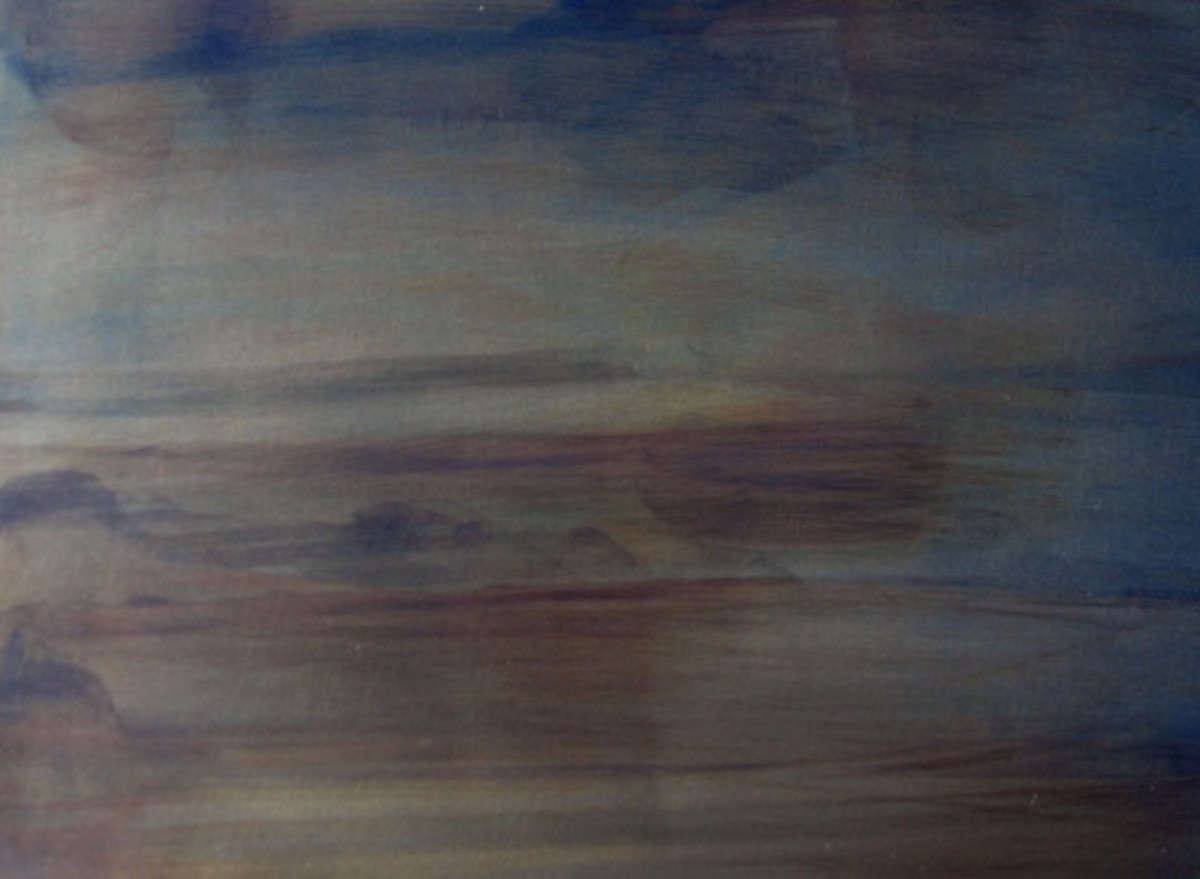
Japanese brown patina is a reactive patina that can be applied hot or cold. The appearance is based on the application. For instance, a fine light spray would produce a more even coat while dabbling with a sponge would give a more mottled and variegated appearance.




No comments:
Post a Comment